


 May 3, 2020
The duties and responsibilities of executors can be vast. In general, an executor is responsible for managing the estate of a deceased person in accordance with the probate rules and procedures of the state where the probate takes place. A summary of the main responsibilities of executors includes the following tasks:
• locating the will;
• checking the validity of the will;
• filing an application for probate in the probate court registry. If the estate is worth less than a certain amount (dependent on state law) formal probate may not be required;
• notifying beneficiaries listed in the will;
• drafting and arranging publication of a notice of the deceased’s death and sending a copy of the notice (by mail) to each creditor that the executor knows of;
• sending copies of the deceased’s official death notice to the post office, utility companies, banks and credit card companies;
• collecting, securing and inventorying assets; and then having them appraised and valued;
• collecting all moneys owing to the estate;
• if the deceased was employed, checking with employer as to unpaid salary and benefits;
• filing for outstanding social security, civil service, veteran and other benefits;
• filing claims for life insurance benefits;
• filing state death tax and federal estate tax returns;
• paying out valid and proven claims against the estate;
• distributing all remaining assets to the beneficiaries;
• filing all relevant papers with the probate court to wind up the estate; and
• closing probate.
How Can We Help You?
For more information on the responsibilities of executors and probating an estate, check out our book entitled How to Probate an Estate. It explores the process from the moment the deceased passes away right through to the distribution of assets. Items such as death certificates, autopsies, funeral planning and asset management are discussed at length. It will also show you how to initiate and close probate with ease, learn how to locate and manage estate assets, deal with creditors’ claims, taxes, and trusts, avoid the common mistakes made by many executors and much more….
If you have any questions or queries regarding our products or services, just contact our customer service team who would be delighted to assist you.
Related reading: Executor Duties: Appointment to Final Accounting; How to Open Probate: Filing and First Steps; Letters Testamentary vs Letters of Administration.
An executor should ensure that (i) the estate assets are kept wholly separate from both his own assets and third party assets, (ii) assets under his control are held and recorded in the proper fiduciary capacity, rather than as his own property, (iii) he accounts in full to the estate for all income generated by the estate assets and (iv) he does not borrow or otherwise take money from the estate for his own benefit.
From How to Probate an Estate, 2026 Fourth Edition — Fiduciary Duties of an Executor.
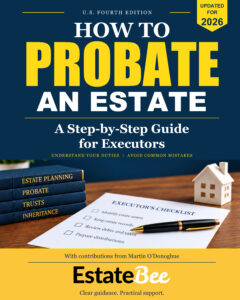
Download the practical guide. Keep a practical reference beside your estate file. The guide includes an executor checklist, sample documents, and explanations of probate and non-probate assets, debts, accounts and distributions.
U.S. guidance. Check the current instructions of the court handling the estate; representation rules vary.
View How to Probate an Estate — 2026 Fourth Edition PDF download


Founded by lawyers in 2000, EstateBee is a leading international estate planning and asset protection publisher.


Hive Administrator
Founded by lawyers in 2000, EstateBee is a leading international estate planning and asset protection publisher.